Own the Post-Purchase Experience with Transactional Email & SMS
Turn transactional email and SMS from operational necessities into brand opportunities.
What is transactional messaging?
Transactional messaging is 1:1, automated, and mission-critical communication that fires in response to a customer action — not a marketing content calendar. A transactional email goes out the moment a customer places an order, resets a password, or triggers a fraud alert. Here’s what sets email and transactional messaging apart:
-
Trigger-based logic:
Messages fire in response to real-time events like purchases, password resets, or account alerts.
-
High engagement:
Because transactional messaging contains information the recipient is actively waiting for, open rates consistently outperform promotional content.
-
Operational necessity:
These communications are often essential for account security, legal compliance, and order fulfillment — delays aren't acceptable.
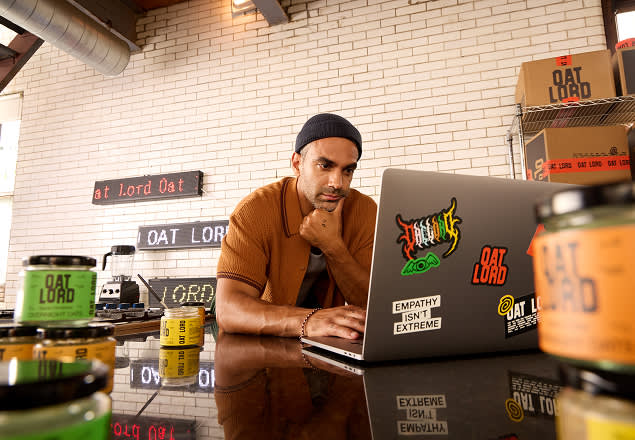
Mailchimp maintains an average email delivery rate above 99%, with a median delivery speed of less than one second.
Bridging the structural gap between developers and marketers
In most organizations, engineering owns the API and marketing owns the brand. That gap creates inconsistent customer experiences. Modern transactional email infrastructure decouples those two responsibilities so neither team bottlenecks the other. Here's how this works in practice:
-
Decoupling content from code:
Developers manage API or SMTP triggers while marketers manage templates in a no-code environment—without waiting on a deployment cycle.
-
Organizational agility:
Marketers can update branding or add cross-sell blocks to a receipt without filing an engineering ticket.
-
Standardized brand voice:
Centralizing templates ensures a shipping update sent via API looks identical to a newsletter sent from the marketing CRM.
Since 2018, Mailchimp Transactional has delivered over 300 billion emails while maintaining a median bounce rate of 2.69%.
Creating a unified experience across email and SMS
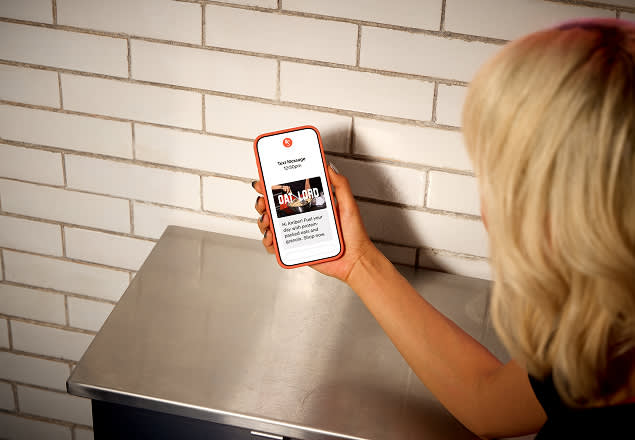
The right channel for a transactional message depends on urgency. Understanding the difference between promotional and transactional SMS helps you deploy each message type strategically. Mailchimp users saw up to a 97% higher click rate when they used both Email and SMS.* Here's how to divide the work between email and sms:
-
Email for detailed records:
Use transactional email for information-dense updates—order receipts, subscription summaries, and legal disclosures that customers may need to reference later.
-
Transactional SMS for urgent alerts:
Leverage the immediate visibility of the lock screen for shipping updates, two-factor authentication codes, and fraud notifications.
-
The single source of truth:
When transactional marketing and marketing data share the same database, you prevent situations like sending a promotional discount to a customer whose payment just failed.
Managing deliverability and compliance at scale
High-volume sending creates real technical and legal risk if it's not managed carefully. Here's what a reliable infrastructure handles:
-

Reputation protection:
Separating transactional traffic from marketing traffic via dedicated IPs ensures high-volume promotional blasts don't delay mission-critical password resets or 2FA codes.
-

Global compliance automation:
Systems should automatically manage GDPR, CAN-SPAM, and TCPA logic, including opt-in requirements for transactional SMS.
-

Low-latency delivery:
For security-sensitive messages like 2FA, delivery in under one second isn't a nice-to-have—a globally distributed architecture minimizes the distance between trigger and recipient.
Try our Standard plan for free!
Find out why customers see up to 24x ROI* using the Standard plan with a risk-free 14-day trial†. Cancel or downgrade to our Essentials or basic Free plans at any time.
Find out why customers see up to 24x ROI* using the Standard plan with a risk-free 14-day trial†. Cancel or downgrade to our Essentials or basic Free plans at any time.
Find out why customers see up to 27x ROI* using the Standard plan with a 14-day trial†. Cancel or downgrade to our Essentials or basic Free plans at any time.
Find out why customers see up to 27x ROI* using the Standard plan with a 14-day trial†. Cancel or downgrade to our Essentials or basic Free plans at any time.
Get 15% off our Standard plan
Businesses with 10,000+ contacts can save 15% on their first 12 months.† Keep your discount if you change to Premium or Essentials. Cancel or downgrade to our basic Free plan at any time.
Businesses with 10,000+ contacts can save 15% on their first 12 months.† Keep your discount if you change to Premium or Essentials. Cancel or downgrade to our basic Free plan at any time.
Businesses with 10,000+ contacts can save 15% on their first 12 months.† Keep your discount if you change to Premium or Essentials. Cancel or downgrade to our basic Free plan at any time.
Businesses with 10,000+ contacts can save 15% on their first 12 months.† Keep your discount if you change to Premium or Essentials. Cancel or downgrade to our basic Free plan at any time.
-
Generative AI features
-
Actionable insights into audience growth and conversion funnels
-
Enhanced automations
-
Custom-coded email templates
-
Customizable Popup forms
-
Personalized onboarding
Standard
Send up to 6,000 emails each month.Send up to 100 emails risk-free—no credit card required. Save a payment method to unlock 5,900 sends for the rest of your free trial.
Free for 14 days
Then, starts at 0 per month†
per month for 12 months
Then, starts at per month†
†See Free Trial Terms. Overages apply if contact or email send limit is exceeded. Learn More
†See Free Trial Terms. Overages apply if contact or email send limit is exceeded. Learn More
†See Free Trial Terms. Overages apply if contact or email send limit is exceeded. Learn More
Save 15% on the ultimate expert-assisted platform for growth
Engage your audience and increase sales with 15% off your first 12 months†. Plus, get expert support to help migrate your data and provide strategic guidance—exclusive to the Premium plan.
- Phone & Priority Support
- Popup Forms
- Multivariate and A/B Testing
- Enhanced marketing automation flows
- Dedicated Personalized Onboarding
- Predictive Segmentation
Larger contact list? Call +1 (800) 330-4838 for custom pricing, annual plans, demos, and more. Contact sales.
Premium
Send up to 150,000 emails each month.
Save 15% on 10,000+ contacts
per month for 12 months
Then, starts at per month†
†See Offer Terms. Overages apply if contact or email send limit is exceeded. Learn More
Larger contact list? Call +1 (800) 330-4838 for custom pricing, annual plans, demos, and more. Contact sales.
FAQs
-
The distinction comes down to intent and trigger. Transactional messaging is one-to-one and necessary — it's sent because the recipient took a specific action and needs a response.
Marketing messaging is one-to-many and promotional — it's sent on a brand-defined schedule to drive behavior. Sending a receipt is transactional. Sending a seasonal sale announcement is marketing.
For a closer look at how each type works in practice, browse these transactional email examples across industries.
-
New Mailchimp Transactional users receive 500 free sends to test the platform before committing. This gives you a low-friction way to evaluate deliverability, template rendering, and API performance with real sends before scaling.
-
Transactional SMS operates under different rules than marketing SMS, but explicit opt-in remains the gold standard for compliance across all global markets.
Consent requirements vary by jurisdiction, so maintaining clear, verifiable records of how and when each contact opted in protects both your recipients and your sending reputation.
-
API integration is the modern choice because it’s better suited for custom applications, real-time event triggers, and detailed reporting on individual message performance.
SMTP is the legacy choice, and it's still a practical option for quick integrations with existing software like WordPress or other platforms that already support SMTP natively. Both work, but your technical environment determines which makes more sense.
Millions of users trust us with their marketing. You can too.
*Disclaimers
- 97% Higher Click Rate: Based on US users who sent both email and SMS campaigns compared to users who sent only email campaigns from 8/1/23 to 1/05/25.