How to Build a High-Converting Re-Engagement Campaign
Past customers already know your brand. A smart winback strategy brings them back at a fraction of the cost of finding new ones.
The value of win-back campaigns for lapsed customers
It costs up to five times more to acquire a new customer than to keep an existing one. A winback campaign is the strategic effort to reactivate people who already showed interest but went quiet. Here's why it's worth the effort:
-
Analyze the cost of customer churn:
Lost subscribers don't just represent missed revenue. They drag down your engagement rates and sender reputation, which affects deliverability for everyone else on your list.
-
Why re-engagement is a quick win for revenue:
Past customers already trust your brand, which lowers the friction for their next purchase. A single customer retention email at the right time can restart that relationship.
-
The power of a second chance:
A well-timed winback email can turn a neutral or forgotten experience into a positive one, especially when paired with a relevant offer or product update.
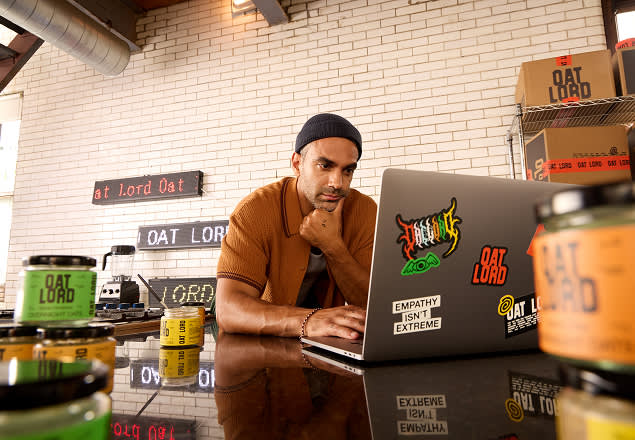
Mailchimp customers saw up to 2.9x more engagement on average with marketing automation flows.*
Identify your inactive audience segments
You can't winback users if you don't know who's missing. Defining "inactivity" with data is the first step in any re-engagement campaign. Here's how to find the right people:
-
Define your quiet period:
The right trigger point depends on your product's lifecycle. A grocery brand might flag inactivity at 30 days, while an electronics retailer might wait 6 months.
-
Segment by past behavior:
A high-value VIP who went silent is a very different case from a one-time shopper. Segment these groups separately so your messaging reflects each relationship. Mailchimp customers saw up to a 24% higher click rate when they segmented their campaigns than when they didn't.*
-
Use predictive analytics:
Tools like Mailchimp's predictive features help identify at-risk customers before they fully churn, so you can reach them while re-engagement is still likely.
Draft an effective win-back email sequence
A single email rarely changes someone's mind. A successful re-engagement campaign usually involves a 3-part sequence that escalates value with each send:
-

Email 1: The "we miss you" nudge:
Start with a "we miss you" email that focuses on brand value, new features, or updates they might have missed. Hold off on discounts for now.
-
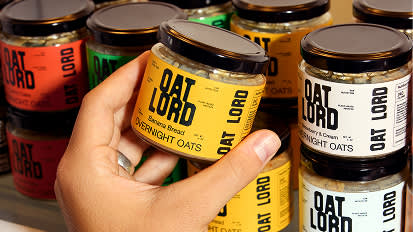
Email 2: The irresistible incentive:
Introduce a comeback offer like free shipping or a personalized discount code. This is where you give them a concrete reason to return.
-

Email 3: The "last chance":
Or the feedback request. Ask why they left, or let them know they'll be removed from the list soon. This protects their inbox and your deliverability. For high-intent lapsed customers, an abandoned cart SMS can also work well as a final nudge alongside this email.
Mailchimp customers generated up to 8.5x more orders on average with automation flows.*
Best practices for re-engagement messages
Your re-engagement emails and SMS messages need to look and feel different from your standard newsletters. Here's how to stand out:
-
Subject lines that stop the scroll:
Lines like "Is it something we said?" or "A little gift to say welcome back" outperform generic sends. The subject line is doing most of the work in a winback email, so test several options.
-
Personalize beyond the first name:
Reference their last purchased item or how long they've been a subscriber. That level of detail builds a personal connection.
-
The power of a clear CTA:
Every winback email needs one clear, low-friction action. Give lapsed users one obvious next step instead of overwhelming them with options.
Mailchimp is the #1 email marketing and automation platform.*
Optimize your winback strategy for long‑term health
-
Clean your list through sunset policies:
Remove users who don't respond to your re-engagement campaign. Keeping unresponsive contacts on your list hurts deliverability for everyone else.
-
A/B test your winback offers:
Test different incentives, like 15% off versus $10 off, to see what resonates. Small differences in the offer can have a big impact on reactivation rates.
-
Monitor winback conversion rates:
Track the reactivation metric as your primary KPI. Marketing automation makes this process easier by letting you measure performance across the full sequence without manual tracking.
Try our Standard plan for free!
Find out why customers see up to 24x ROI* using the Standard plan with a risk-free 14-day trial†. Cancel or downgrade to our Essentials or basic Free plans at any time.
Find out why customers see up to 24x ROI* using the Standard plan with a risk-free 14-day trial†. Cancel or downgrade to our Essentials or basic Free plans at any time.
Find out why customers see up to 27x ROI* using the Standard plan with a 14-day trial†. Cancel or downgrade to our Essentials or basic Free plans at any time.
Find out why customers see up to 27x ROI* using the Standard plan with a 14-day trial†. Cancel or downgrade to our Essentials or basic Free plans at any time.
Get 15% off our Standard plan
Businesses with 10,000+ contacts can save 15% on their first 12 months.† Keep your discount if you change to Premium or Essentials. Cancel or downgrade to our basic Free plan at any time.
Businesses with 10,000+ contacts can save 15% on their first 12 months.† Keep your discount if you change to Premium or Essentials. Cancel or downgrade to our basic Free plan at any time.
Businesses with 10,000+ contacts can save 15% on their first 12 months.† Keep your discount if you change to Premium or Essentials. Cancel or downgrade to our basic Free plan at any time.
Businesses with 10,000+ contacts can save 15% on their first 12 months.† Keep your discount if you change to Premium or Essentials. Cancel or downgrade to our basic Free plan at any time.
-
Generative AI features
-
Actionable insights into audience growth and conversion funnels
-
Enhanced automations
-
Custom-coded email templates
-
Customizable Popup forms
-
Personalized onboarding
Standard
Send up to 6,000 emails each month.Send up to 100 emails risk-free—no credit card required. Save a payment method to unlock 5,900 sends for the rest of your free trial.
Free for 14 days
Then, starts at 0 per month†
per month for 12 months
Then, starts at per month†
†See Free Trial Terms. Overages apply if contact or email send limit is exceeded. Learn More
†See Free Trial Terms. Overages apply if contact or email send limit is exceeded. Learn More
†See Free Trial Terms. Overages apply if contact or email send limit is exceeded. Learn More
Save 15% on the ultimate expert-assisted platform for growth
Engage your audience and increase sales with 15% off your first 12 months†. Plus, get expert support to help migrate your data and provide strategic guidance—exclusive to the Premium plan.
- Phone & Priority Support
- Popup Forms
- Multivariate and A/B Testing
- Enhanced marketing automation flows
- Dedicated Personalized Onboarding
- Predictive Segmentation
Larger contact list? Call +1 (800) 330-4838 for custom pricing, annual plans, demos, and more. Contact sales.
Premium
Send up to 150,000 emails each month.
Save 15% on 10,000+ contacts
per month for 12 months
Then, starts at per month†
†See Offer Terms. Overages apply if contact or email send limit is exceeded. Learn More
Larger contact list? Call +1 (800) 330-4838 for custom pricing, annual plans, demos, and more. Contact sales.
FAQs
-
A re-engagement campaign is the broad strategy for reactivating lapsed subscribers, while a winback email is a specific message within that strategy. For example, your re-engagement campaign might include a 3-email sequence, a discount offer, and a sunset policy — and each individual winback email is one piece of that plan.
-
Most winback sequences work best with 2 to 3 emails. Anything more can feel intrusive and lead to spam complaints. The 3-part sequence is a strong starting framework.
For more best practices, check out these tips for high-performing email campaigns.
-
Yes. SMS works well for the "last chance" message in a winback sequence because of its high open rates and sense of urgency. Try pairing a time-limited offer with a direct link to make the path back as easy as possible.
-
If a user hasn't engaged in over a year, they're likely no longer a viable lead. Focus on contacts who lapsed within 3 to 6 months, and move unresponsive subscribers to a sunset list to protect your deliverability.
Millions of users trust us with their marketing. You can too.
*Disclaimers
- 2.9x More Engagement: Based on all click rates of paid plan users’ Mailchimp campaigns from January 2023 - January 2025. Features and functionality vary by plan type. For details, view Mailchimp’s various plans and pricing.
- 24% Higher Click Rate: The 24% higher click rate is based on internal Mailchimp data and is not guaranteed for all users. Individual results may vary based on a variety of factors, including campaign content, audience engagement, and segmentation strategy.
- 8.5x More Orders: Based on orders generated from bulk emails of paid plan users across all available geographics from January 2023 - January 2025. Marketing Automation Flows functionality varies by plan type.
- #1 email marketing and automation platform: Based on May 2025 publicly available data on competitors' number of customers.