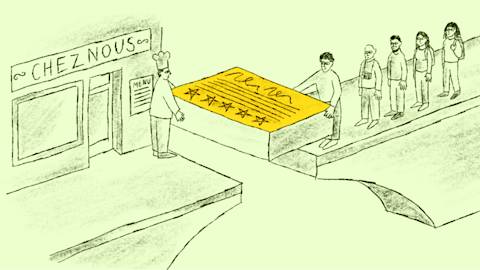
In this report, we’re going to look at the ways you can help turn more of your digitally-engaged customers into physical guests in your hotel or restaurant. We’ll be looking at the challenge of “attribution”: the ways you can more accurately trace your sales back to your email and SMS campaigns.
Driving growth with digital
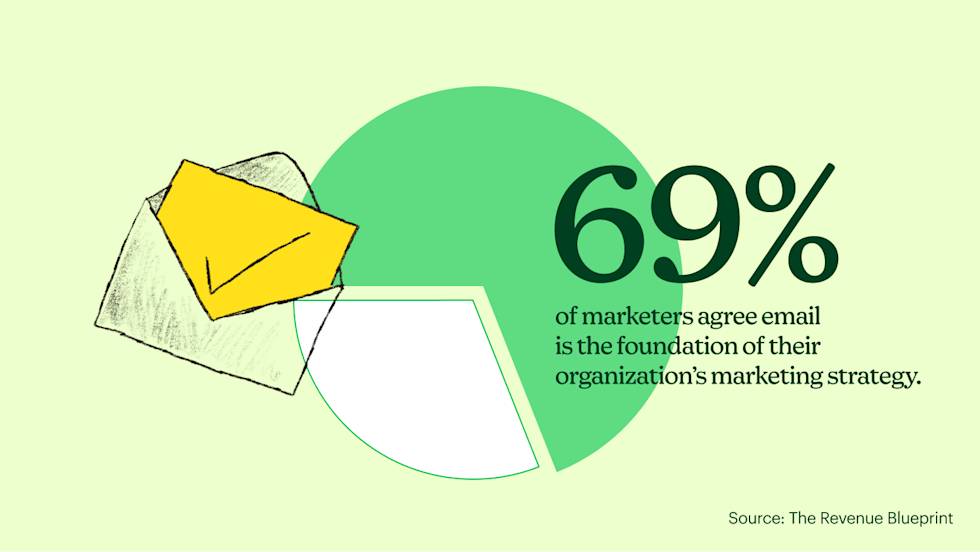
The fact is that email and SMS are potent drivers of growth. According to The Revenue Blueprint, the online survey conducted by Ipsos on behalf of Intuit Mailchimp in 2024, 69% of marketers agree that email is the foundation of their organization’s marketing strategy. Mailchimp data also shows that you could see up to a 97% higher click rate by using email and SMS together.* A major factor is making the connection between clicks and purchases.
Once you can see the relationship between your campaigns and your reservations, you can take what’s working and extend your reach to new prospects. It’s about shifting your focus from “Did they see it?” to “Did they act on it?”
You still need the clicks. You just need to make sure they turn into revenue.
Reach customers when it matters
You need to look at patterns and trends in your booking data to see when the sweet spots are for sending a nudge to your customers. It might be a promotion to prompt them to book, or it might just be a timely reminder.
Lunch might be more of an impulse booking. A birthday, anniversary, or weekend away will probably be more carefully planned in advance. The point is to be there, as close to the right moment as you can be.
Test your campaign timing
For restaurant bookings, you can experiment with different times of day to identify the most effective time to send. The more you test, the more you will learn and the better your timing will become.
You might find that sending an SMS promotion during the morning commuting hours is the most effective way to boost lunch bookings. An early-afternoon email might help to prompt discussions about booking a place for dinner, with your venue at the top of the consideration list.
Special events are a little easier to work with, because your data will tell you when they are happening. You’ll still need to test, to find out how far ahead of the actual date your customers are getting into decision mode.
Segmentation is essential here. You have probably already segmented your customer database, to help drive more personalized campaigns. You might find it’s worth creating new segments for customers who regularly book at similar times of year.
Some Mailchimp customers saw up to 1.5x higher click rate when they segmented their campaigns than when they didn’t.*
You might also start to see patterns among certain customer profiles, showing that they tend to book in weeks or on days that are close to payday. There will be many variables to play with. The trick is to keep testing and find the times that are the most productive in terms of actual bookings.
Test your campaign channels
As meaningful patterns emerge that produce results, you can also experiment with combinations of SMS and email to see how they work together. You might assume that SMS works better as a tactical, last-minute prompt, with email to promote longer-term bookings. But testing might well reveal different trends.
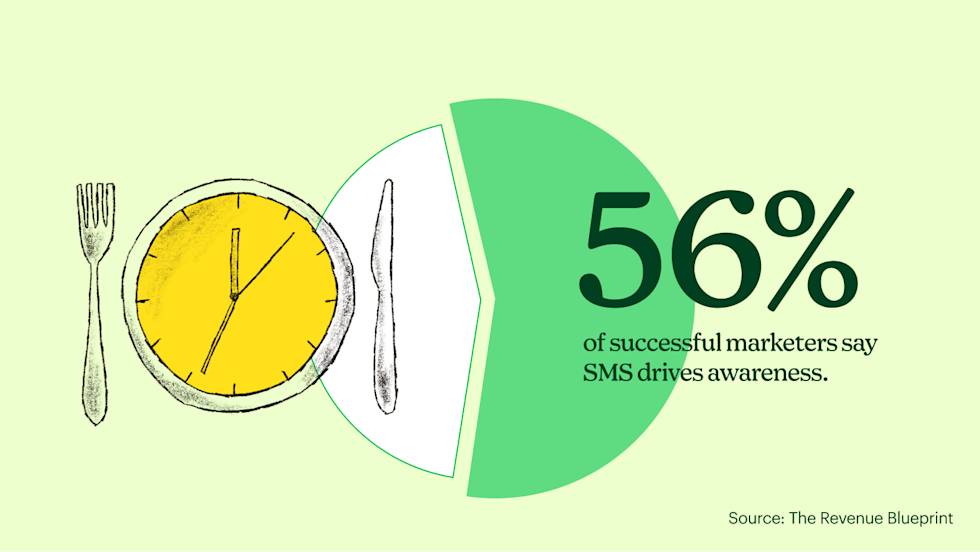
Some customers might only respond to SMS, even for anniversary reminders a couple of weeks ahead of the day. According to The Revenue Blueprint, 56% of successful marketers say SMS drives awareness.
Others might be most responsive to a combination of SMS to tease an offer, with email to deliver the details and another SMS to prompt action. Your customer base is unique, so although industry data might say one thing, you have to pin down what works for you.
Make your customer experience easy
You need a strong message to grab attention and win that initial engagement. But you need to get to the point quickly: you want customers to book and to turn up.
A key part of this is taking away the “friction”. If customers can’t see immediately how to book and where you are, you could lose a lot of momentum and, worse, a lot of potential business. You need a combination of timely, relevant marketing messages, and clear transactional messages giving them essential information about their visit.
When you’re running a promotion, spell it out clearly right at the beginning: “Here’s x% off your next bill, if you book before Friday 20th. Call this number or click here to book, right away. Parking’s easy and here’s a map showing exactly where we are.”
It might seem a bit plain and “salesy”, but it’s what customers want to know when they’re in buying mode. And let’s not kid anyone, you’re out to sell to them. Customers don’t mind you asking for their business, especially if you've got an attractive, personalized deal for them.
Again, testing is essential. Do calls to action like “Read the menu” or “Find our locations” perform better than “Book now” or “Find out more”? Always, you're looking for that link between the open, the click, and their arrival through the door.
Measure campaign performance in depth
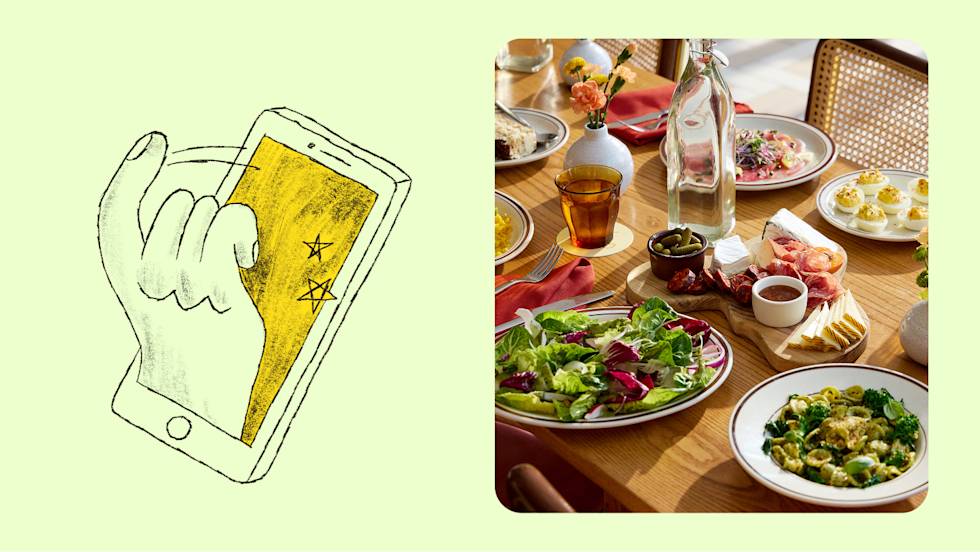
There are some simple steps you can take to gain immediate insights into the performance of your campaigns. You can include unique promotion codes in your email and SMS messages that allow you to correlate bookings precisely with particular messages. Customers simply have to click to redeem the code, and then present it or quote it when they arrive or check in.
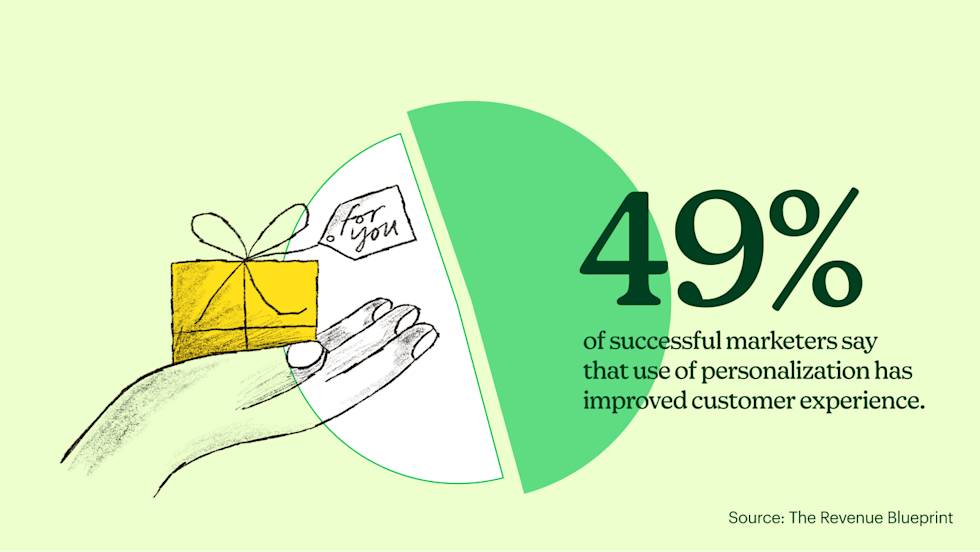
The Revenue Blueprint’s findings show that 49% of successful marketers say that use of personalization has improved customer experience.
This is another example of taking away the friction. People like getting special offers, but not everyone is comfortable saying, “Oh, we get 20% off…” when they get the check. With a bit of careful management, you can make them feel special and at ease from the moment they walk through your door.
Attributing revenue for SMS and email
Part of your testing must include pinning down the revenue you can attribute to individual channels.
It’s good to know that your campaigns are making a difference for your sales, but it’s even better to know exactly how that’s happening. We’ve seen how unique codes can help attribute results, but not every communication will be a promotion.
You need to make sure that your marketing platform can correlate bookings closely to campaigns.
Capture the insight
Look for the trends that emerge from your marketing data. If a customer consistently seems to respond to a certain combination of email and SMS, you can work that nugget of insight into your wider strategy.
Customers with similar profiles—age, marital status, average spend—might prove to be equally responsive to the same mix of communications. There will be other patterns, all of which provide different types of insight into how your channels are affecting your sales.
The main point is that if you’re looking for the insight, then you can find it and apply it. It’s all there in your data, if you’re ready to do the analysis. Spotting trends can pay big dividends.
Using trend analysis
Short-term trends might include seasonal factors, market conditions, or short-lived events. For example, you might see a spike in sales during an unexpected period of warmer weather.
Long-term trends reflect more significant shifts in consumer behavior or market conditions. You may have seen changes for your business following the Covid pandemic. For example, lunchtimes might show different patterns now that people are working from home more often.
Cyclical trends tend to repeat over time, often influenced by external factors like economic cycles. You’ll see them in the rise and fall of demand for dining out or taking short-break holidays, during times of growth or decline.
How to analyze your data
Quantitative analysis looks at your numbers, such as sales figures, customer transactions, or website analytics. It gives you data that can be tracked over time, providing the statistical foundations for your forecasting.
Qualitative analysis brings in human factors such as customer feedback, social media comments, or employee interviews. It gives you insights into why specific trends occur, which numbers alone can’t reveal.
Internal analysis is about your business, looking at sales reports, employee performance, or internal surveys. It can flag issues such as staffing levels at key times, which can affect customer experience and profitability.
External analysis looks at data from outside the business, including market research, competitor performance, or industry benchmarks. It gives you a broader perspective on market dynamics, economic conditions, and your competitors’ activities.
Historical analysis identifies long-term trends and cycles. It examines past successes and failures, helping you avoid mistakes and make the most of what works.
Predictive analysis uses current data, often enhanced by machine learning and AI, to forecast future trends. It helps you anticipate changes in customer behavior, market conditions, and industry developments.
Now let’s take a look at some specific ideas for driving revenue in hotels and restaurants. Mailchimp has two playbooks designed to help you boost footfall and bookings in those stubbornly quiet times that provide great opportunities for growth.
Filling the engagement gap in restaurants: The Restaurant Customer Engagement Playbook
Most restaurants, whether it’s a fast food café or a boutique fine dining venue, have times that are persistently hard to sell. Early evening. Afternoons. Mondays. January. The times are many, and they will be specific to your restaurant.
These drops in business may be a function of location, your competitive environment, or just the whims of your main customer base. Just as quiet times are subject to many variables, the causes will be dependent on countless contributing factors.
Fill empty tables with new thinking
The Restaurant Customer Engagement Playbook gives you practical steps to help address those chronically hard-to-sell periods. It contains a series of ideas that will prompt some fresh thoughts about your restaurant and your approach to marketing.
At the core are new ways of promoting with digital channels. The playbook builds on the insights gained from your data and recommends some specific action. It includes ideas for promotions, and new ways of thinking about your segmentation. It even covers how you structure your operation in terms of your menus and opening times.
Take calculated risks
During quiet periods, you need to do different things to bring people in. It might mean reaching new people, or creating offers that get existing customers to see your restaurant in a new light. Either way, it means change, and that always implies risk.
The great advantage of a digital strategy is that you can base your thinking on solid data. Better still, you can test your ideas before you implement them fully.
As you trial new offerings or tactical promotions, you can quickly gather intelligence about how effective they are. You can abandon ideas that don’t work so well and double-down on activities that seem to be making a difference.
Title: The Restaurant Customer Engagement Playbook Description: This playbook sets out the principles that will help you turn your quiet times into opportunities for growth. Take the first step to change.
The Restaurant Customer Engagement Playbook
This playbook sets out the principles that will help you turn your quiet times into opportunities for growth. Take the first step to change.

The digital dimension to the guest experience: The Hotelier’s Guide to On-property Engagement
You can use digital technologies to make a guest’s stay more human. Well-timed messages before, during, and after a stay can make the whole experience more welcoming, personal, and rewarding.
Every moment of a guest’s residence is a sales opportunity. But you can sow the seeds of a profitable stay before they arrive.
The Hotelier’s Guide to On-property Engagement looks at each stage of a guest’s visit in turn, from the pre-arrival and check-in, through to the follow-up after their departure. You’ll learn ways to keep your guests feeling welcomed and informed without being too intrusive.
Making hotel services easy to buy
Not every guest will want to use all the facilities you offer, whether it’s a gym, a spa, or a bar. But you may be missing out on sales of these value-added services because people don’t know how to book them.
A well-timed email before they arrive can smooth their check-in, and make it easy to book the extras that build profit into their stay. An SMS nudge on arrival, perhaps with an offer of a first drink on the house, can encourage them to linger in the bar rather than heading out to explore.
Boosting guest spend and loyalty
The Hotelier’s Guide to On-property Engagement gives you a set of ideas that will help you put together your own plans for managing a guest’s time with you. It shows how data from your marketing, reservations, and property management systems can help create engaging guest experiences that reach beyond the walls of your hotel.
Negative comments on travel sites can materially affect your revenue. It’s vital to delight guests at every moment of their time with you.
The Hotelier’s Guide to On‑property Engagement
This playbook will show you how that delight can translate into profitable sales. Start planning your new guest experience.

*Disclaimers
- SMS Marketing is available as an add-on to paid plans in select countries and requires application and approval before purchase. Australia messaging available only for contacts with +61 country code. Credits are purchased monthly, expire at the end of the billing cycle, and do not roll over. For each country, the first Sending Number registered at the account level is free; additional Sending Numbers in the same country are billed at the then-current monthly rate. Messages may only be delivered to contacts in countries where you have a registered sender for the relevant audience. Certain features, including MMS, are only available in specific countries and plan tiers. Pricing varies. Click here for details.
- The 97% Higher Click Rate: Based on US users who sent both email and SMS campaigns compared to users who sent only email campaigns from 8/1/23 to 1/05/25.
- The 1.5x Higher Click Rate: The '1.5x higher click rate' is based on internal Mailchimp data and represents the high end of potential results. Individual results may vary and are not guaranteed. Actual click rate increases may be lower depending on various factors, including campaign content, audience engagement, and segmentation strategy.
Availability of features and functionality varies by plan type. Certain functionality described is dependent upon the integration and/or a paid plan. For details, please view Mailchimp's various plans and pricing.