Want to surf in Bali? Hit the beach in Fiji? Ski the New Zealand Mountains? For 30 years, TravelOnline has been selling holiday packages to a loyal audience who keeps coming back for the enticing deals.
For most of that time, email marketing was less about data-driven strategy and more built on the offer frequency. But as TravelOnline’s marketing team has scaled, they’ve developed a clearer understanding of each touchpoint while rebuilding the customer journey from first click to wheels up.
Sheri Adamson, Marketing Manager at the Australian-based TravelOnline, has been driving that evolution firsthand. She’s spent more than 14 years with the company and developed the marketing department from a one-person operation to a team focused on refining brand communications. This evolution means needing to understand when and why customers engage and, ideally, reengage well after they book their first trip.
“We’ve been around for more than 30 years, and everything has always been sales-focused and digital media-focused,” Sheri says. “But in terms of our next step, building our brand a bit more is going to be crucial for growth.”
Teaming up with Intuit Mailchimp is helping TravelOnline take those steps, beginning with segmentation and personalisation.
The challenge: A big list, too many sends, and a shrinking impact
TravelOnline has a subscriber list of more than 300,000 and sends up to 6 million emails each month. Prior to using segmentation, TravelOnline’s email strategy was to cast the widest net possible. Every deal went to everyone, up to 6 times per week, and that repetition drove bookings—for a while, at least.
As Sheri mapped the customer journey in more detail, the problem with that strategy began to show. Large portions of their contact list weren’t opening emails at all, while engaged subscribers started to tune out due to email overload.
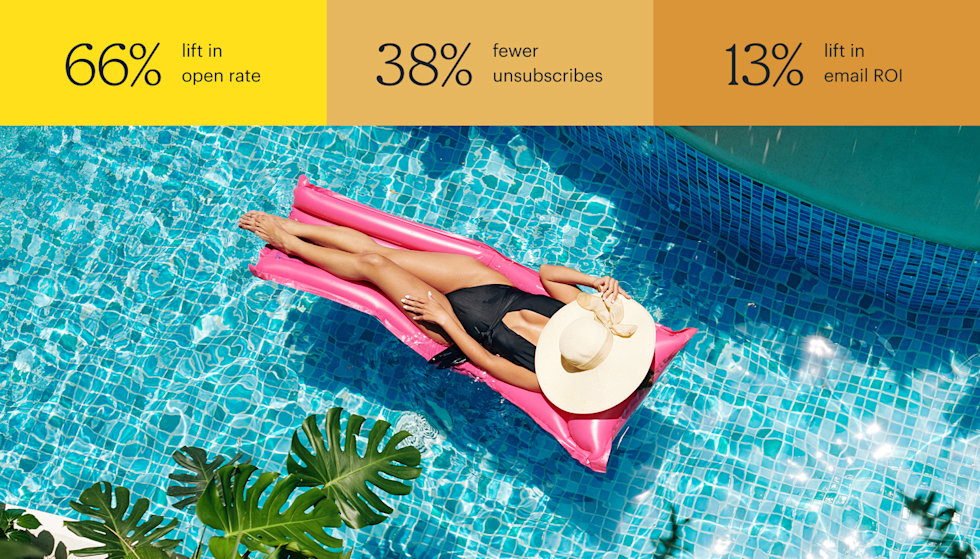
“With such a large list and limited resources, our emails naturally evolved into a one-size-fits-all approach,” Sheri said. “It worked well for a time, but once we had the capacity to dive deeper into segmentation, the impact was immediate. More intentional targeting has really lifted engagement.”