How to Stay Compliant With SMS and Email Privacy
Privacy laws are getting stricter, and your subscribers expect you to follow them. Here's how to stay compliant while building trust with your audience.
The growing importance of privacy in digital marketing
Marketing data privacy is more than a legal checkbox. It's a competitive advantage. Brands that treat SMS privacy and email privacy as afterthoughts risk losing both subscribers and revenue. Here's why privacy should be central to your strategy:
-
Why consumers prioritize data transparency:
People are paying closer attention to how their personal information is collected and used. If your signup process feels unclear, they'll walk away before you ever get the chance to send a message.
-
The cost of non-compliance:
Violating data protection laws can result in significant fines and lasting reputational damage.
-
Trust as a driver for engagement:
When subscribers feel confident that their data is safe, they stay on your list longer and interact more often. Permission marketing starts with respect, and that respect pays off in retention.
Navigating global regulations for email and sms
The legal landscape around digital communication varies by region, but every marketer needs a working understanding of the major frameworks. Here's a practical overview:
-

Understanding email privacy standards (GDPR and CAN-SPAM):
GDPR requires clear, affirmative opt-ins and gives subscribers the right to have their data erased. CAN-SPAM focuses on honoring unsubscribe requests promptly and including accurate sender information. Website GDPR compliance should extend to every form and landing page where you collect email addresses.
-

Navigating SMS-specific laws (TCPA and CTIA):
SMS has stricter requirements than email. The TCPA requires express written consent before sending promotional texts, and the CTIA enforces guidelines around message content and frequency. Your email and SMS privacy policy should clearly outline how mobile numbers are used and stored.
-

Managing cross-border email compliance:
When your audience spans multiple countries, your compliance strategy needs to account for the strictest applicable rules. Segmenting by region helps you send the right consent workflows to the right subscribers. Mailchimp has users across 185+ countries.*

Mailchimp is the #1 email marketing and automation platform.*
Best practices for ethical consent management
Consent is the foundation of email and SMS privacy alike. Here are the best practices for collecting and managing it:
-
Implementing double opt-in workflows:
A two-step verification process confirms that the subscriber actually wants to hear from you and provides documented proof of consent if you ever need it.
-
Creating transparent privacy policies:
When someone signs up, they should know exactly what data you're collecting and how it will be used. If you need to write a privacy policy from scratch, focus on plain language over legal jargon so subscribers actually read it.
-
Making the "unsubscribe" process effortless:
A clear, one-click opt-out is both a legal requirement and a best practice. Making it difficult to unsubscribe generates complaints, not loyalty.
Protecting customer data within your marketing platform
Collecting data responsibly is only half the equation. Here's how to protect the first-party data your subscribers have entrusted to you:
-
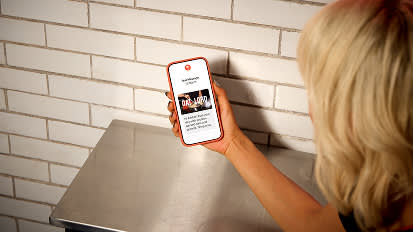
The role of data encryption and security protocols:
Your platform should use encryption to prevent breaches and unauthorized access. An email confidentiality notice in your internal communications can reinforce data handling standards across your team.
-

Managing data access within your team:
User roles and permissions ensure that only the right people can view sensitive customer information.
-

Third-party integrations and data sharing:
When syncing data between your CRM and marketing platform, make sure both systems meet the same security standards.
Mailchimp users see an average email delivery rate of >99%
How Mailchimp simplifies compliance and privacy
Staying compliant with marketing data privacy standards is easier when your platform handles the heavy lifting. Here's what Mailchimp offers:
-
Built-in GDPR and SMS consent forms:
Customizable signup forms include the necessary legal language and checkboxes so you're collecting compliant consent from the start.
-
Automated opt-out management:
The system processes unsubscribes across email and SMS instantly, ensuring no accidental sends go out after someone opts out.
-
Quiet hours and frequency capping for SMS:
These Quiet hours features respect customer boundaries and prevent messaging fatigue, which helps protect both your reputation and your list health.
Try our Standard plan for free!
Find out why customers see up to 24x ROI* using the Standard plan with a risk-free 14-day trial†. Cancel or downgrade to our Essentials or basic Free plans at any time.
Find out why customers see up to 24x ROI* using the Standard plan with a risk-free 14-day trial†. Cancel or downgrade to our Essentials or basic Free plans at any time.
Find out why customers see up to 27x ROI* using the Standard plan with a 14-day trial†. Cancel or downgrade to our Essentials or basic Free plans at any time.
Find out why customers see up to 27x ROI* using the Standard plan with a 14-day trial†. Cancel or downgrade to our Essentials or basic Free plans at any time.
Get 15% off our Standard plan
Businesses with 10,000+ contacts can save 15% on their first 12 months.† Keep your discount if you change to Premium or Essentials. Cancel or downgrade to our basic Free plan at any time.
Businesses with 10,000+ contacts can save 15% on their first 12 months.† Keep your discount if you change to Premium or Essentials. Cancel or downgrade to our basic Free plan at any time.
Businesses with 10,000+ contacts can save 15% on their first 12 months.† Keep your discount if you change to Premium or Essentials. Cancel or downgrade to our basic Free plan at any time.
Businesses with 10,000+ contacts can save 15% on their first 12 months.† Keep your discount if you change to Premium or Essentials. Cancel or downgrade to our basic Free plan at any time.
-
Generative AI features
-
Actionable insights into audience growth and conversion funnels
-
Enhanced automations
-
Custom-coded email templates
-
Customizable Popup forms
-
Personalized onboarding
Standard
Send up to 6,000 emails each month.Send up to 100 emails risk-free—no credit card required. Save a payment method to unlock 5,900 sends for the rest of your free trial.
Free for 14 days
Then, starts at $20 per month†
per month for 12 months
Then, starts at per month†
†See Free Trial Terms. Overages apply if contact or email send limit is exceeded. Learn More
†See Free Trial Terms. Overages apply if contact or email send limit is exceeded. Learn More
†See Free Trial Terms. Overages apply if contact or email send limit is exceeded. Learn More
Save 15% on the ultimate expert-assisted platform for growth
Engage your audience and increase sales with 15% off your first 12 months†. Plus, get expert support to help migrate your data and provide strategic guidance—exclusive to the Premium plan.
- Phone & Priority Support
- Popup Forms
- Multivariate and A/B Testing
- Enhanced marketing automation flows
- Dedicated Personalized Onboarding
- Predictive Segmentation
Larger contact list? Call +1 (800) 330-4838 for custom pricing, annual plans, demos, and more. Contact sales.
Premium
Send up to 150,000 emails each month.
Save 15% on 10,000+ contacts
per month for 12 months
Then, starts at per month†
†See Offer Terms. Overages apply if contact or email send limit is exceeded. Learn More
Larger contact list? Call +1 (800) 330-4838 for custom pricing, annual plans, demos, and more. Contact sales.
FAQs
-
An opt-in is a general agreement to receive marketing emails, while express consent is a clear, written agreement specifically required for SMS messaging on a mobile device and email marketing.
-
Yes. Your privacy policy needs to be updated for SMS. It should mention how mobile numbers are collected, used, and stored, along with instructions for how customers can opt out.
-
You can legally store subscriber data only as long as it's needed for the marketing purpose it was collected for. Regularly audit your list and remove data that no longer serves an active purpose.
-
A soft opt-in is legal in some regions, including the UK and EU, for existing customers under specific conditions. However, it's generally not recommended for SMS, which requires explicit written consent in most jurisdictions.
Millions of users trust us with their marketing. You can too.
*Disclaimers
- These features respect customer boundaries and prevent messaging fatigue, which helps protect both your reputation and your list health.