Digital innovation is reshaping the ecommerce industry as more businesses invest in ways to reach online shoppers. Whether it's making purchases on mobile devices or clicking the Buy button on social media platforms, digital commerce now claims a larger share of total retail sales.
Online retailers are using new technologies like AI-driven analytics tools and customer data platforms to track consumer behavior and shopping habits, providing valuable insights into customer interactions and preferences while boosting loyalty. Companies that understand and embrace these shifts can improve engagement, strengthen customer relationships, and position themselves for future growth.
Benefits of paying attention to ecommerce trends
Online shopping moves quickly. What worked a few months ago can lose effectiveness as customer expectations and technologies evolve. Keeping a close eye on emerging trends helps businesses adapt and stay ahead of competitors. It also reduces guesswork. Teams can make deliberate, forward-looking decisions that protect revenue and improve customer experience.
Stay ahead of shifting customer behavior
Customers who shop online expect faster delivery, more personalized experiences, and smoother mobile journeys. Companies that track these trends can adjust messaging, site experience, and fulfillment strategies before competitors catch up.
Increase efficiency with machine learning
Modern online sales increasingly depend on automation and machine learning. Trend awareness helps teams identify where these tools deliver the most value, reducing manual workload while improving accuracy. Businesses that adopt these capabilities thoughtfully can streamline operations and focus on higher-impact work.
Make smarter product and inventory decisions
Overstock ties up cash. Out-of-stock products frustrate customers and send them elsewhere. Understanding the ecommerce landscape helps businesses refine demand forecasting and product planning.
Data-driven merchandising, real-time sales, and predictive analytics all support better purchasing decisions and customer engagement. Companies that act on these insights can maintain better inventory levels and respond faster to changing demand patterns.
Support strategic planning
Ecommerce leaders use trend data to guide investments in marketing, sales, and technology, giving them a competitive edge. With a clearer view of where online retail is heading, businesses can allocate resources more confidently and build strategies that stay relevant as the market evolves.
Each new ecommerce trend reflects how quickly digital commerce is evolving and how companies can stay ahead, from technological innovation to mobile shopping to personalized loyalty programs.
Trend #1: Generative AI becomes core infrastructure
Generative AI started as a novelty for writing product descriptions or generating images, but it is quickly becoming embedded across merchandising, marketing, and customer experience systems. Retailers are integrating AI directly into their workflows to produce content faster, respond to shopper behavior in real time, and reduce manual production costs.
AI-generated product content at scale
Ecommerce teams often manage thousands of individual products, each requiring descriptions, specifications, metadata, and images. Generative AI enables businesses to create consistent, on-brand product content in minutes. It can draft descriptions, generate variant copy, localize text for different markets, and even produce supporting visuals. This scalability helps ecommerce stores launch products faster and keep catalogs fresh. It also improves search engine optimization (SEO) by making it easier to update product pages that might otherwise receive minimal attention.
Real-time AI merchandising
Generative AI is changing how products are presented and prioritized on ecommerce sites by dynamically creating and adapting merchandising elements. Instead of relying on static rules or manual curation, generative systems can produce tailored product descriptions, promotional copy, and even on-the-fly category layouts based on live shopper behavior.
AI systems analyze browsing patterns, purchase signals, and contextual data to promote the most relevant items in real time. Generative AI then creates content to best represent those items. The result is a more responsive shopping experience that feels tailored to each visitor.
Trend #2: Composable commerce goes mainstream
Composable commerce lets businesses build online stores using separate, plug-and-play tools instead of an inflexible all-in-one platform. Brands are increasingly assembling their tech stacks from specialized components, an approach that gives teams more control over performance, innovation speed, and customer experience. As ecommerce requirements grow more complex, businesses want the freedom to upgrade individual tools without rebuilding their entire system.
Mix-and-match ecommerce tools
A composable strategy allows merchants to select the best solutions for payments, search, content management, personalization, and more. Rather than accepting the limitations of a single vendor suite, teams can swap components as needs evolve. For example, a brand can add a new buy now, pay later provider or digital wallet without migrating its entire ecommerce platform.
Flexible website building blocks
With modular architecture, ecommerce teams can redesign front-end experiences, introduce new services, and expand into new channels with less disruption. This adaptability is especially valuable for brands operating across multiple regions or customer segments.
Pick-the-best-platform approach
Composable commerce encourages businesses to evaluate tools based on their specific strengths rather than defaulting to bundled solutions. Over time, this approach leads to more resilient ecommerce ecosystems that can evolve alongside brand needs.
Trend #3: Hyper-personalized shopping experiences
Personalization is moving beyond basic segmentation toward truly individualized shopping journeys. Advances in data processing and AI allow ecommerce brands to tailor content, offers, and product discovery at the individual level. Hyper-personalization increases relevance and reduces friction, helping shoppers find what they want faster.
Behavior-triggered messaging
Modern platforms can respond instantly to browsing patterns, purchase history, and engagement signals. Behavior-triggered emails and on-site messages reach shoppers at moments of high intent, improving both engagement and conversion performance.
Real-time journey orchestration
Retailers now coordinate experiences across channels in real time. Journey orchestration tools adjust messaging, recommendations, and timing dynamically as customer behavior evolves, creating a smoother purchase experience.
Personalized loyalty programs
Personalization makes loyalty programs more effective by tailoring rewards to customer preferences and purchase history. This targeted approach increases engagement, strengthens customer relationships, and encourages repeat purchases from high-value shoppers.
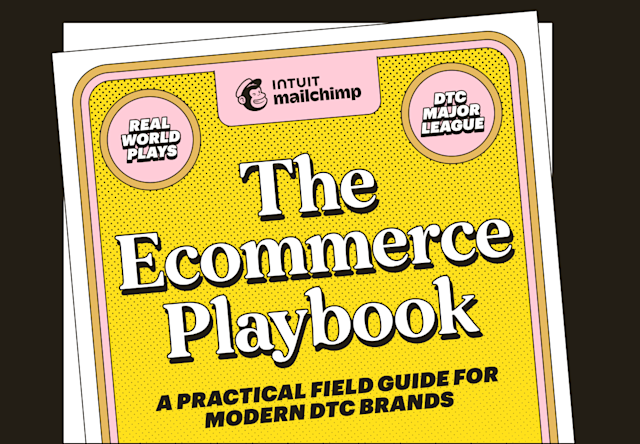
Use The Ecommerce Playbook to scale your DTC brand
We’ve collected 22 founders, operators, and specialists to create a practical field guide for DTC brands. Get hard-won lessons, tactics, and tips on how to scale every phase of your ecommerce lifecycle.
Trend #4: AI and agent-led shopping
AI shopping assistants are quickly shifting from novelty features to active participants in the buying process. As conversational interfaces improve and agents gain access to richer product data, software helps shoppers research, compare, and even complete purchases. This trend reduces friction while improving product data quality, pricing transparency, and real-time inventory accuracy.
Chat-based product discovery
Search bars are no longer the only entry point. Shoppers increasingly use chat interfaces to describe their needs in natural language. AI chatbots interpret intent, ask follow-up questions, and quickly recommend relevant products. For merchants, this creates new opportunities to guide shoppers during online purchases.
Autonomous cart building
AI agents can also assemble carts based on shopper preferences, past purchases, budget limits, and stated goals. Instead of manually browsing dozens of items, customers review and refine pre-built selections. This model is especially effective for replenishment purchases and routine household goods, where speed and convenience matter most.
Agent-to-agent purchasing
Looking ahead, commerce may increasingly happen between software agents. A consumer’s AI assistant could negotiate pricing, confirm availability, and complete transactions directly with a retailer’s system. While still emerging, this shift would place greater emphasis on structured product data and pricing flexibility.
Trend #5: Social commerce moves into the mainstream
Social platforms are no longer just discovery channels. They are becoming fully transactional environments where browsing, influence, and checkout occur in a single continuous flow. As in-app purchasing grows, ecommerce brands are investing more heavily in these networks.
TikTok Shop and in-app checkout growth
Integrated checkout lets users complete purchases without leaving the social platform or app, capturing impulse purchases. For example, a shopper can discover a product in a TikTok video and buy online within seconds using the app.
Creator-led storefront ecosystems
Creators are evolving from promoters into retail partners. Many now operate curated social shopping storefronts, product drops, and affiliate-driven collections. This model blends trust, entertainment, and commerce in ways traditional ads struggle to match.
Livestream shopping expansion
Livestream commerce, such as real-time demonstrations, limited-time offers, and audience Q&A, creates urgency and authenticity that static product pages often lack. In addition, livestream videos on social channels often generate high engagement and give brands more opportunities to guide viewers directly to purchase.
Trend #6: Mobile commerce and in-store integration
Mobile commerce is becoming the connective layer between your digital storefront and your brick-and-mortar store. Mobile apps and location-aware tools bridge online research with in-store action. As shoppers increasingly expect continuity across touchpoints, mobile-and-store integration is becoming a competitive requirement.
App-powered in-store experiences
Retail apps now do far more than display products. In-store modes can provide aisle locations, personalized offers, loyalty rewards, and scan-to-learn features. Some retailers are also enabling mobile self-checkout to reduce wait times.
These app-driven experiences give shoppers more control while providing retailers with richer behavioral data. When executed well, the store becomes an extension of the digital journey.
Online-to-offline shopping journeys
Customers routinely research online and purchase in-store and vice versa. Retailers are responding by synchronizing inventory visibility, promotions, and customer profiles across channels.
Buy online, pick up in store and curbside fulfillment remain important pieces of this strategy. Brands that unify these journeys reduce abandonment and create smoother paths to purchase across the entire customer lifecycle.
Trend #7: Immersive product experiences
Product presentation is becoming more interactive and experiential. Immersive product experiences reduce uncertainty, particularly for categories where fit, scale, or appearance strongly influence purchase decisions.
Augmented reality try-ons
Augmented reality (AR) tools enable shoppers to visualize products in real-world settings before purchase. From virtual eyewear fitting to furniture placement, this technology helps reduce returns while improving buyer confidence and engagement.
3D product visualization
As production tools become more accessible, more ecommerce brands are adopting 3D assets to strengthen product pages and support more informed purchase decisions.
Interactive 3D models let shoppers rotate, zoom, and inspect products from multiple angles. Compared with traditional photography, 3D visualization provides a deeper understanding of materials, dimensions, and details.
Trend #8: Flexible payment options
Ecommerce brands are expanding beyond traditional card checkout to offer multiple payment paths that minimize friction and support higher average order values. Flexible payment strategies also help merchants reach mobile-first audiences, who expect checkout options.
Embedded financing
Embedded financing, including buy now, pay later and installment plans, is increasingly built directly into the checkout flow. Instead of redirecting shoppers to third-party applications, merchants can present financing options at the moment of purchase. This visibility helps customers manage larger purchases and helps retailers reduce cart abandonment.
Digital wallets
Options like one-tap wallet payments reduce checkout time. They also support stronger authentication, which can improve security and approval rates. As mobile commerce grows, fast wallet-based checkout is becoming a requirement for competitive ecommerce sites.
Trend #9: Subscription model selling
Subscriptions are evolving beyond simple replenishment programs into more flexible, customer-controlled relationships. Brands are using subscriptions to build predictable revenue streams, and the focus has shifted toward providing customers with greater transparency, customization, and control over their recurring purchases.
Membership and bundle models
Many retailers are expanding into membership-style offerings that combine products, perks, and exclusive access. Curated bundles and tiered subscription levels enable brands to increase revenue while delivering ongoing value to loyal customers through auto-replenishment, member-only discounts, and early access to products.
Flexible subscription management
Modern subscription programs prioritize customer control. Easy pause, skip, swap, and cancel features build trust. A beauty brand might let customers adjust delivery frequency or swap products directly from their account dashboard. Making subscription management straightforward leads to lower churn and higher lifetime value compared with rigid, hard-to-modify programs.
AI-driven reorders
AI is increasingly used to predict when customers will need to replenish orders. By analyzing purchase patterns and usage signals, systems can trigger timely reorder reminders or automatically adjust delivery timing. This approach helps brands maintain steady recurring revenue.
Trend #10: Fulfillment speed expectations
As major retailers normalize same-day and next-day delivery, smaller ecommerce brands are under pressure to match that speed. Meeting these expectations requires smarter logistics, better inventory visibility, and localized fulfillment strategies. Companies that treat fulfillment as vital to customer satisfaction, not just an operational cost, are better positioned to stay competitive.
Micro-fulfillment
Micro-fulfillment uses small local warehouses to speed online order picking and delivery. Micro-fulfillment centers help retailers move inventory closer to customers and support faster last-mile delivery. By shortening the distance between product and buyer, brands can reduce delivery times while controlling shipping costs.
Real-time inventory management
Accurate, real-time inventory data is essential. Customers expect to know what’s available and how quickly it can arrive. Modern inventory systems sync stock levels across warehouses, stores, and ecommerce channels. This visibility reduces overselling, accelerates fulfillment decisions, and builds customer trust.
Trend #11: Zero-party and first-party data prioritization
As the use of third-party data declines, ecommerce brands are focusing on data collected directly from customers. Zero-party and first-party strategies give businesses more reliable insights while supporting privacy expectations and regulatory compliance.
Preference centers and direct data sharing
Preference centers enable customers to actively share their interests, communication preferences, and product needs. This direct data improves targeting accuracy and builds transparency between brands and shoppers.
Measurement without cookies
Brands are adopting privacy-safe measurement methods, including server-side tracking, attribution models, and aggregated reporting. These approaches help maintain performance visibility even as browser restrictions tighten.
Trend #12: Post-purchase experience as a revenue channel
The customer journey does not end at checkout. Ecommerce brands are increasingly treating the post-purchase phase as a high-value engagement window. Order confirmation, shipping updates, and delivery communications now serve as opportunities to strengthen relationships and drive incremental revenue. Shoppers are highly attentive during this period, making it an effective time to reinforce brand value and introduce relevant offers.
Branded tracking pages
Many retailers now use branded tracking pages that keep shoppers within the brand environment. These pages can include product recommendations, loyalty prompts, support resources, and shipment updates.
Cross-selling after checkout
Post-purchase messaging can surface complementary products and limited-time offers. Well-timed cross-sell placements can raise average order value without interrupting the initial transaction. This approach extends revenue opportunities beyond checkout.
Trend #13: Increased focus on sustainability
Customers are paying closer attention to environmental impact, and ecommerce brands are responding with more measurable and transparent practices.
Carbon tracking at checkout
Some retailers now display estimated carbon impact during checkout or offer low-emission shipping options. This visibility helps environmentally conscious shoppers make more informed choices.
Supply chain transparency tools
Brands are investing in tools that trace products from raw materials through final delivery. These systems help verify sourcing claims and track environmental impact. Clear visibility also makes it easier to communicate credible sustainability information to customers.
Trend #14: Predictive analytics
Retailers are using AI to anticipate customer behavior, demand shifts, and campaign performance. The newest tools reduce the need for complex manual analysis, allowing teams to generate valuable insights quickly.
Prompt-driven analysis
A growing number of analytics platforms now support prompt-based queries. Teams can ask plain-language questions about sales trends, customer segments, or campaign performance and receive immediate insights. This lowers the technical barrier to advanced analysis and speeds up decision-making.
AI-powered demand forecasting
AI models are improving planning by analyzing historical sales, seasonality, promotions, and external signals. More accurate forecasts help retailers optimize purchasing and reduce excess inventory. Over time, these systems continue to refine predictions as new data flows in.
Trend #15: Cross-border and global commerce expansion
More brands are expanding globally as tools simplify currency conversion, tax calculation, and localized checkout experiences. With the right infrastructure in place, cross-border growth is no longer limited to large enterprises.
Localized checkout and payments
Modern ecommerce platforms support region-specific currencies, payment methods, and language preferences. A localized checkout experience reduces friction and improves trust with international buyers.
Duty and tax automation
Automated duty and tax calculation tools help merchants present accurate costs up front. This transparency reduces delivery surprises, lowers cart abandonment, and simplifies compliance for global sellers.