MARKETING PLATFORM COMPARISON
Why choose Mailchimp over HubSpot?
Get powerful marketing tools without the complexity. Compare Mailchimp vs. Hubspot and find out how you can get enterprise-level that are easy-to-use and fit within your budget.
-
#1
email marketing and automation platform*
-
3.1 billion
emails sent with AI-generated content*
-
30x ROI
seen by Mailchimp users (up to 30x*, average)
-
>99% email
delivery rate for transactional and marketing emails (average)*
-
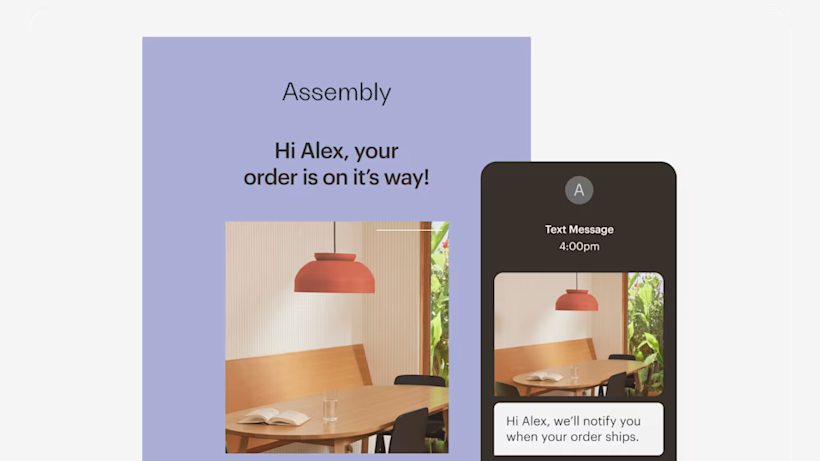
Convert more customers
Craft emails, use behavioral data to more precisely target audiences, and optimize your strategy.
-
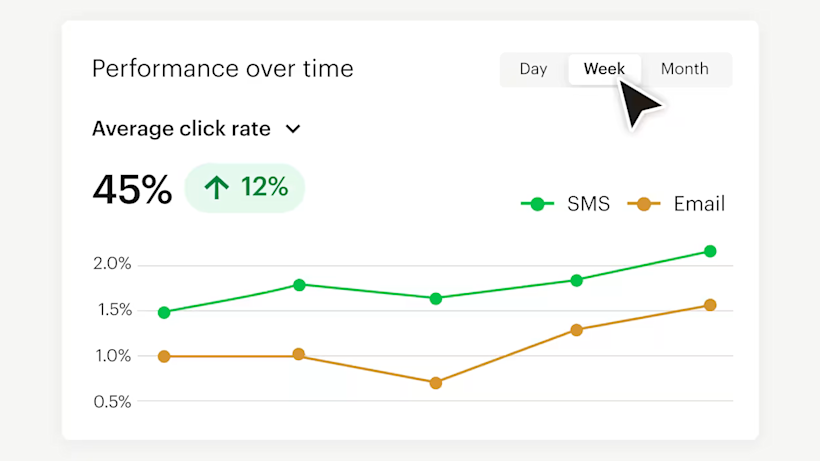
See more and scale faster
With all of your data in one place, Mailchimp gives you what you need to make the right call at the right time.
-
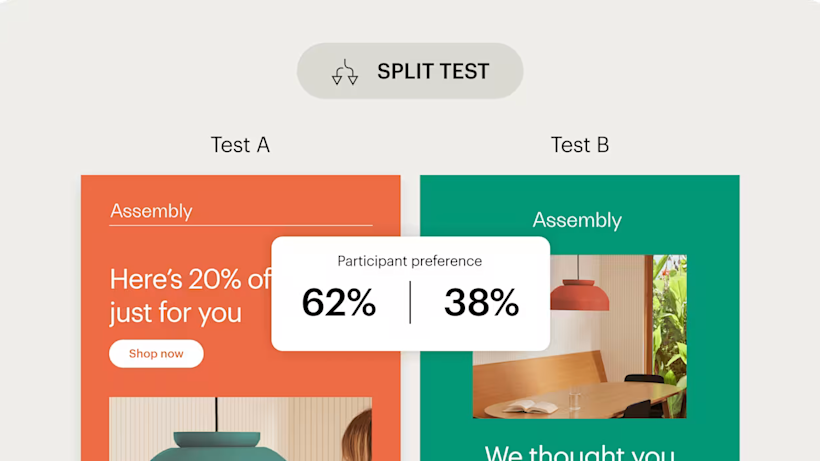
Optimize and iterate constantly
Use A/B testing and send time optimization to improve your strategy and identify the right times to reach out.
“Mailchimp’s analytics helps us gauge interest... then we keep our audience engaged with marketing automation flows.”
—Dundalan Sain, Director of Franchise Support, One Stop Taxes
See how HubSpot and Mailchimp compare
-
Mailchimp
✅ Mailchimp is the #1 email marketing and automation platform* and serves many kinds of orgs, not just e-commerce.
-
Hubspot
❌ Built for CRM and inbound marketing, with email features that may not meet all needs
-
✅ Designed to grow with teams, offering a price-to-feature ratio that adapts to the needs of both small and large businesses.
-
❌ As your list grows, costs rise, often requiring higher-tier plans for automation or reporting.
-
✅ Mailchimp provides 24/7 email and chat support, and 24/7 phone support + onboarding to Premium plans.*
-
❌ Support hours are limited on lower tiers, and phone support is generally Enterprise-only.
-
✅ Advanced analytics and reporting, including revenue attribution and benchmarking.
-
❌ Advanced reporting is available only on top tiers, setup can require training or paid services.
-
✅ Marketing automation flows with 100+ customizable templates to choose from.
-
❌ Fewer prebuilt automation templates, and setup can be more complex or time-consuming.
-
✅ Offers flexible pricing, with plan options to fit different size businesses and needs.
-
❌ Pricing depends on tiers and feature access, which can make costs rise as your list grows.
Businesses like yours switched from HubSpot to Mailchimp and started growing:

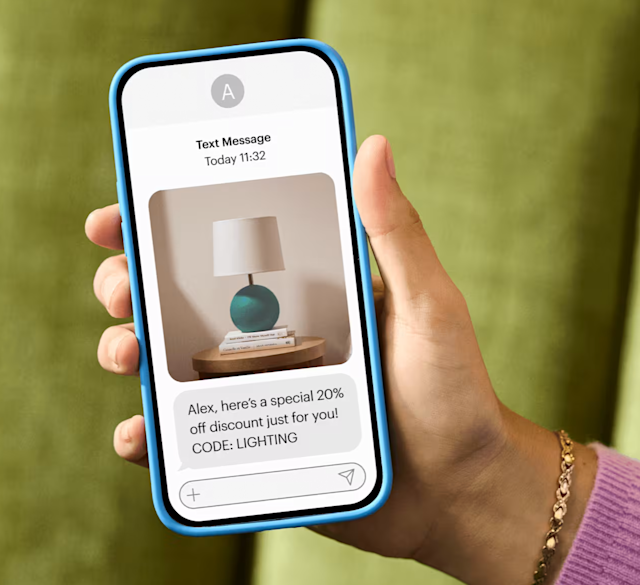
Mailchimp’s powerful SMS marketing platform delivers results:
97% higher click-rates for Mailchimp businesses using both email & SMS*
20X More ROI for Mailchimp SMS users after launching their first SMS campaign*
Drive revenue with powerful audience segmentation tools
Marketers see 2x more revenue on average with AI-built predicted segments—just one of the advanced features that are now part of Mailchimp’s platform.*
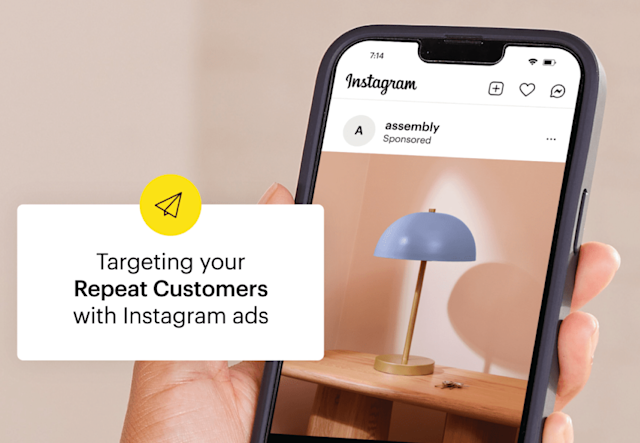
Do more with Mailchimp’s 300+ app integrations
Take advantage of peak season without losing time adapting your workflow. Mailchimp works seamlessly with apps like Shopify, Salesforce, and QuickBooks Online.
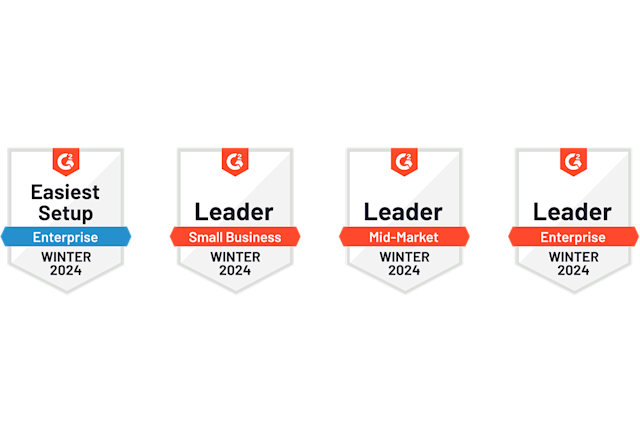
11M+ users use Mailchimp
In addition to a large and loyal userbase, Mailchimp is recognized as an industry leader for businesses of multiple sizes.
Source: G2.com, Inc
FAQs
-
The biggest differences between Mailchimp vs. Hubspot are focus and usability.
HubSpot bundles CRM, sales tools, and marketing features into one platform, which sounds comprehensive but often means you’re paying for tools you don’t need or use. That complexity also makes it harder to get started and slower to see results.
On the other hand, Mailchimp specializes in email marketing and automation, giving you powerful tools without the bloat or learning curve. We focus on what matters most to marketers: creating effective campaigns, automating customer journeys, and measuring results.
You get advanced features like predictive segmentation, multivariate A/B testing, custom reporting, and AI-powered content generation — all in a platform that’s straightforward to use from day one. Whether you’re a small business or a large team, Mailchimp delivers better value and faster time to results.
-
When deciding between HubSpot vs. Mailchimp, ease of use is a major factor. Mailchimp is designed so teams can start building campaigns on day one.
Our drag-and-drop email builder, pre-built automation templates, and intuitive interface mean you don’t need technical resources or extensive training to get results. We offer 24/7 email and chat support, plus free personalized onboarding for Standard and Premium plans to help you hit the ground running.
HubSpot’s platform is powerful but often comes with a steep learning curve. Many users find it overly complex for their needs, packed with features that require training to learn effectively. HubSpot also charges a $3,000 onboarding fee, which reflects how much setup the platform typically requires.
If your team wants to focus on marketing instead of platform management, Mailchimp saves you time and frustration.
-
HubSpot pricing is typically 2-4x higher than Mailchimp for comparable contact list sizes and comes with a one-time $3,000 onboarding fee for new customers.
Mailchimp’s Standard plan, which includes advanced automation, predictive segmentation, and custom reporting, starts at a fraction of that cost with no onboarding fees.
HubSpot also implements annual price increases of around 5% for existing customers, and many users find they’re forced into upgrades as their contact lists grow.
Mailchimp offers flexible pricing that scales with your business, giving you better value for the features you actually need — especially for small to mid-sized teams that don’t require a full CRM suite.
-
Both Mailchimp and HubSpot offer core email marketing features like campaign creation, automation, and analytics.
Here’s where Mailchimp pulls ahead: We provide over 100 customizable automation templates, AI-powered content generation tools, predictive segmentation that identifies your most likely buyers, and SMS marketing available in 12 countries.
We also lead the industry with a >99% average delivery rate for transactional and marketing emails, which means your messages actually reach inboxes.
HubSpot’s inbound marketing approach bundles email marketing with CRM, sales tools, and service management, but their email features often require more time to set up and manage — and you’re paying for functionality you may never touch.
When comparing Mailchimp vs. Hubspot purely for email marketing capabilities, Mailchimp gives you specialized tools built specifically for marketers who want to create, automate, and optimize campaigns without the overhead of a complex tech stack.
Plus, our integration with HubSpot CRM means you can use Mailchimp for email marketing while keeping HubSpot for customer relationship management if you need both.
-
Choose Mailchimp over HubSpot if you want a platform that delivers powerful marketing tools without the complexity.
We give you enterprise-level automation, segmentation, and analytics at 2 - 4x less than HubSpot pricing, with no required onboarding fees or forced upgrades.
Our platform is easy to use right out of the box, so your team can start driving results immediately instead of spending weeks in training.
You’ll get 24/7 support, industry-leading email deliverability, and advanced features like AI-powered content creation and predictive segments that help you target the right customers at the right time.
Mailchimp also integrates seamlessly with HubSpot CRM, so you can keep your customer data centralized while running your marketing campaigns through a platform that’s purpose-built for marketers.
With 11 million users trusting Mailchimp, we’re the #1 email marketing and automation platform for teams that want powerful tools without the complexity or cost of a full marketing and sales suite.
- #1 AI-powered email marketing platform: Based on May 2025 publicly available data on number of customers of competitors that also advertise using AI to enhance their email marketing and automation products and services.
- 3.1 Billion Emails Sent: Based on InLine AI Assistant feature for December 2023 - August 2024. Standard and Premium plans only.
- 30X ROI: Based on all e-commerce revenue attributable to paid plan users’ Mailchimp campaigns from August 2024 - August 2025. ROI calculation requires an e-commerce store that is connected to a Mailchimp account. Results vary.
- >99% Delivery Rate for Transactional and Marketing Emails: Data reflects the delivery rate for transactional and marketing emails from January 1, 2024, to December 31, 2024 and is the aggregate of all Mailchimp users across all plans.
- 2x More Revenue with Predictive Segments: Standard and Premium users saw 2x more revenue (266%) on average for their connected ecommerce stores using predictive segmented emails versus non-predictive segmented emails for Jan 2023 - Dec 2024 period. Predictive segments available on Standard or Premium plans only.
- 97% Higher Click Rate: Based on US users who sent both email and SMS campaigns compared to users who sent only email campaigns from 8/1/23 to 1/05/25.
- 20x SMS ROI: Based on U.S. SMS users’ e-commerce revenue attributable to first SMS campaign launch during September 2023 through April 2024. ROI calculation requires an e-commerce store that is connected to a Mailchimp account. Results may vary.